
Last Updated: November 10, 2026
Quick Summary
Renting a french countryside cottage means booking a self-contained home by the week, with your own kitchen, bedrooms and bathrooms, and no daily housekeeping or front desk. Check what is included, since rentals differ in what they supply, and budget for fees, fuel and transport because rural properties sit far from train stations.
- Confirm inclusions such as linen and towels, since listings differ in what they supply.
- Ask whether the cleaning fee is mandatory or optional, as it is often quoted separately from rent.
- Compare total costs for your exact dates, including deposit, utilities and tourist tax.
- Price round-trip fuel before you travel, since distances to shops and stations can add up daily.
- Get the cancellation terms, deposit clause and property description in writing before paying.
Table of Contents
- What Renting a Cottage in the French Countryside Actually Involves
- Gîte Rental in France: What the Term Means and What You Get
- Choosing the Right Region for Your Trip
- Property Types, Capacity and Essentials Included
- French Cottage with Private Pool: What to Check Before You Book
- Full Cost Breakdown and Booking Timeline
- Long-Term Cottage Rentals in France and When They Make Sense
- Rental Rules, Consumer Protections and Booking Safely
- Planning Your Stay at a Private Countryside Cottage
- Frequently Asked Questions
Many people ask what renting a French countryside cottage actually involves, and whether it is worth the effort compared with a hotel or an apartment. This practical guide walks through the practicalities, costs and booking steps so you can decide with clear eyes.
What Renting a Cottage in the French Countryside Actually Involves
Renting a cottage in the French countryside means booking a self-contained home for a set period, usually by the week, and taking over a space with its own kitchen, bedrooms and bathrooms. Unlike a hotel, there is no daily housekeeping and no front desk, so you plan meals, linen and transport yourself.
Many travellers value the privacy and space that a cottage can offer. A french countryside cottage gives a family or group room to spread out, cook together and move at their own pace. The trade-off is that you need a car or a clear transport plan, because rural properties sit well away from the nearest train station.
Before you commit, confirm what is included. Rentals differ in what they supply, so ask the host directly what is included and read the listing’s inclusions list carefully.
Gîte Rental in France: What the Term Means and What You Get
A gîte is a self-catering holiday home in rural France, typically a converted farm building, barn or stand-alone cottage. You will often see the term used in property listings.
In practice, a gîte offers a fully equipped kitchen, living space and private bedrooms. Many include a garden or terrace. The standard varies enormously, so compare photos, floor plans and reviews rather than relying on a single word.
The French system of rural accommodation also rewards careful reading. Ask whether the property is registered and what classification it holds, as these details can help you judge the standard of a rental.
Choosing the Right Region for Your Trip
France’s countryside is large, and the region you pick shapes almost everything about the holiday. Think about the activities you want, how far you are willing to drive and whether you want a quiet base or a lively one close to towns.
Some regions suit walkers and cyclists, others suit culture seekers or families who want a pool and space to run around. Match the region to the group rather than choosing purely on price.
Haut-Languedoc for Walkers and Cyclists
The Haut-Languedoc sits at the foot of the Black Mountains, an area known for walking and cycling trails. Trails in the area vary in difficulty, so check the gradient before you set out.
Bring sturdy footwear, water and a map when walking in the hills, as mobile signal can be patchy.
Reaching Toulouse and Carcassonne Without Spending the Week in a Car
Many visitors want to see both Toulouse and Carcassonne on one trip. Driving between the two is manageable, and planning a day trip to each city can keep the holiday relaxed. For a closer look at how remote secluded rentals near Carcassonne really are, read our guide.
Plan one driving day per city and use the rest of the week for slower exploration. If you prefer not to drive, arrange a transfer from the airport or book a local taxi for the outbound and return legs, then use regional trains from the main towns for the city visits.
Property Types, Capacity and Essentials Included
Cottages range from compact two-bedroom homes to larger family properties. Check the number of beds, not just bedrooms, and confirm whether any sofa beds are suitable for adults. Our holiday accommodation page shows an open-plan ground floor with a spacious lounge and dining area, a fully equipped kitchen and three double bedrooms, each with an en suite bathroom. Bathroom count matters for groups with multiple generations.
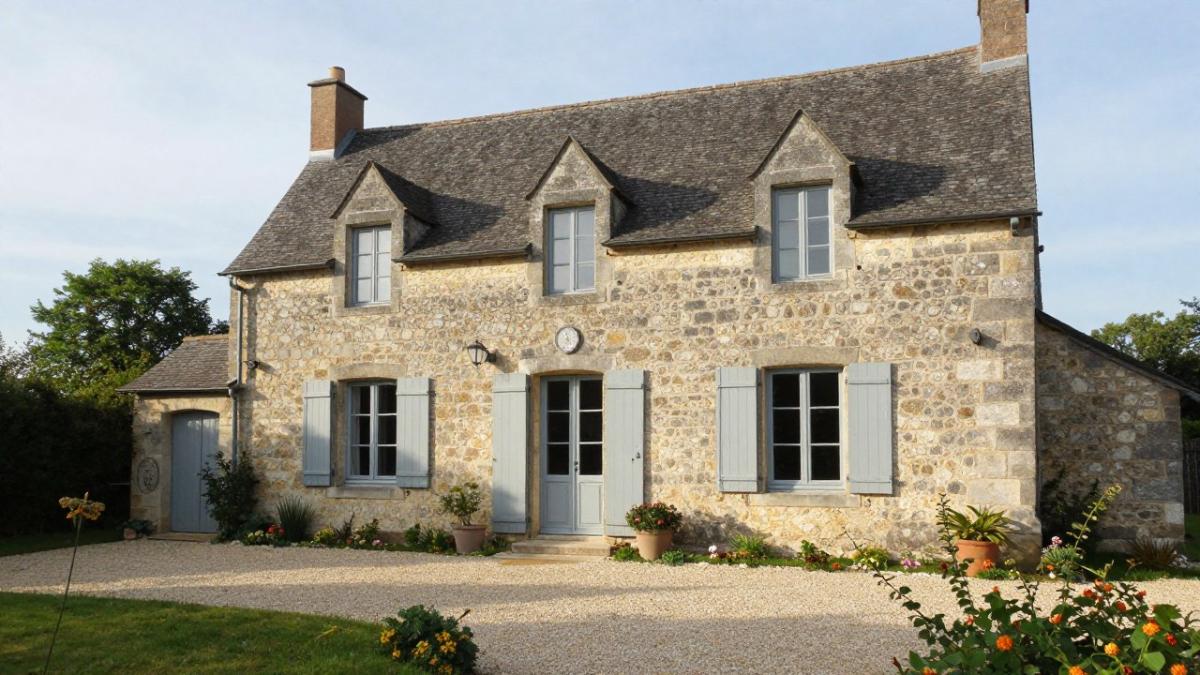
Essentials to confirm before booking include bed linen, towels, a fully equipped kitchen, heating, Wi-Fi availability and parking. Ask about cot or high chair availability if you travel with young children, and whether the property has step-free access for older relatives.
French Cottage with Private Pool: What to Check Before You Book
A private pool is a major draw, but the details matter. Ask whether the pool is heated, when it is open, and whether it is exclusive to your group or shared with other guests. Heating costs and opening seasons vary, so get the dates in writing.
If children will be using the pool, ask about fencing and safety measures, and confirm how maintenance and cleaning are handled during your stay.
Full Cost Breakdown and Booking Timeline
The headline weekly price is only the starting point. When you compare quotes, build the total from the following layers, and ask the owner to state each one in writing.
The rental itself usually varies most with the season. Rates often vary with the season, so compare prices for your chosen dates. Check whether the quoted rate covers the full week or only a fixed number of nights, because some owners price Saturday-to-Saturday changeovers differently.
Some properties charge a cleaning fee, which may be quoted separately from the rent. Ask whether it is mandatory or optional, and whether you are expected to clean the property before you leave instead. Linen hire is a second common add-on. If the listing does not state whether bed linen and towels are included, assume they are not and ask before you pay.
Some owners take a security deposit, so confirm the amount, the payment method and the return timeline before you book. Confirm the amount in euros, the payment method, and the return timeline. Utilities are a further variable: some owners include electricity, water and heating in the rate, while others meter them separately, which matters most in winter or for a pool that needs heating.
Tourist tax, known in France as the taxe de séjour, may apply to your stay. Ask the host whether it is charged and for the exact local rate.
Fuel is often the largest cost of a rural stay that nobody budgets for. Distances between a cottage and the nearest supermarket or station can easily add a daily drive, so price the round trips before you travel.
A practical booking timeline looks like this. For peak summer weeks, it is sensible to start searching several months ahead, as popular properties can be booked up early. Once you have a shortlist, request a full written breakdown of rent, fees, deposit, tourist tax and utilities, and compare totals rather than headline prices.
Watch out: a low weekly rate can hide extra fees, so compare the complete figure for the same dates across the properties you are considering.
The headline weekly price is only part of what you will pay, so the article breaks the total into its layers.
| Cost layer | What to check | Note |
|---|---|---|
| Rent | Varies with season | Compare prices for your exact dates |
| Cleaning fee | Mandatory or optional | Quoted separately from the rent |
| Linen hire | Included or extra | Assume not included unless stated |
| Security deposit | Amount and return timeline | Confirm before booking |
| Utilities | Included or metered | Matters most in winter or with a heated pool |
| Tourist tax | Taxe de séjour | Ask the host for the exact local rate |
| Fuel | Round-trip distances | Often the largest unbudgeted cost |
Long-Term Cottage Rentals in France and When They Make Sense
Some travellers want more than a fortnight, perhaps to work remotely, learn the language or simply slow down. Longer stays may come with different terms, so read any contract carefully.
Ask about notice periods, utility arrangements and what happens if plans change. A long stay suits people who value routine and local integration more than frequent sightseeing.
Rental Rules, Consumer Protections and Booking Safely
A holiday cottage booking is a contract, and the details that matter most are usually in the cancellation terms, the deposit clause and the description of the property. Read these before you pay anything.
A written contract, often called a contrat de location, should set out the key details of the stay, including the dates, total price, deposit and cancellation policy. If any of these is missing, ask for it to be added before you confirm.
Cancellation terms vary widely. Cancellation terms vary between owners. Note the deadlines in the contract, and check whether a cancellation option is offered. Travel insurance that covers cancellation for illness or a change of plans is a separate product, so check the policy wording rather than assuming the rental contract covers it.
Accessibility details deserve the same care. If anyone in your group uses a wheelchair or has limited mobility, ask about step-free entrances, bathroom layout and the distance from parking to the door. Descriptions such as ‘accessible’ are not a standard, so ask specific questions.
To spot a misleading listing, compare the photos against a recent floor plan or a video call, check that the reviews describe the same property, and be cautious of prices far below comparable cottages in the same area. A host who will not answer direct questions about dates, inclusions or registration is a warning sign.
For booking through an established platform, the platform’s own terms usually add a layer of dispute resolution, but the property owner remains the contracting party for the stay. Keep copies of every message, the booking confirmation and proof of each payment.
For official guidance on consumer rights when booking abroad, check your government’s travel advice and the relevant French consumer authority.
Watch out: payments made outside the booking platform or by bank transfer to a personal account leave you with little recourse if the property does not match the listing, so keep the transaction within a traceable channel.
Planning Your Stay at a Private Countryside Cottage
Staying at a private countryside cottage rewards planning. Decide on your region, count your group and confirm the essentials before you look at dates. Once you know what you need, you can compare properties on equal terms.
To enquire about dates or ask questions about the cottage, make an enquiry directly through the En Gineste website or contact the hosts by telephone or email. You can also see the local activities and places of interest in the area.
Frequently Asked Questions
What is a gîte in France?
A gîte is a self-catering holiday rental, usually a house, cottage or apartment, let as a complete unit to one group at a time. Most are furnished with a kitchen, bedrooms and bathroom, and guests cook for themselves. In rural areas gîtes are often converted farm buildings or houses in villages. Rental is typically by the week, with Saturday-to-Saturday changeovers common in summer. Check whether linen, towels and cleaning are included, as this varies between owners.
What should I look for when renting a cottage in the French countryside?
Confirm the exact location and distance to the nearest town, shop and airport, since rural properties can be far from services. Check the number of bedrooms against how your group will sleep, the bathroom count, and whether the kitchen is fully equipped. Ask about parking, internet access, and whether the property is truly private or shares grounds with other guests. Read the cancellation terms and ask how the host responds to questions before you pay.
How much does it cost to rent a cottage in rural France?
Pricing depends on the property, the region, the season and the length of your stay, so there is no single typical figure to rely on. Compare weekly rates for the dates you need and check whether extras such as final cleaning, linen, pool heating or electricity are included or charged separately. For current prices and a precise quote for the dates you have in mind, check the En Gineste website directly.
Do I need a car to stay in a French countryside cottage?
In most rural areas, yes. Public transport between villages is limited, so a car gives you access to shops, markets, restaurants and day trips. If you want to travel without driving, choose a property closer to a station or town and plan for taxis or pre-booked transfers from the airport. Confirm with the host whether the property is reachable by car in the arrival conditions you expect.
When is the best time to book a French countryside cottage?
Summer school holidays and the weeks around public holidays fill first, so booking early gives you the best choice of dates and properties. Spring and early autumn offer milder weather, quieter roads and often better availability. Shoulder-season stays are useful if you plan to walk or cycle, since temperatures in the hills are more comfortable outside the peak of summer.
What amenities are usually included in a French holiday cottage?
Most holiday cottages include bed linen, a fully equipped kitchen, and basic cookware. Towels, cleaning supplies and a welcome pack may or may not be included, so check the listing carefully. Outdoor features such as a private pool, terrace or garden vary widely and sometimes carry a seasonal heating or maintenance charge. Ask specifically about child-friendly items such as cots, high chairs and safety gates if you are travelling with young children.
How long can you rent a cottage in France?
Holiday rentals are commonly booked for one week or a fortnight, though many owners accept shorter stays outside peak periods. For longer stays of several months, some owners offer discounted monthly or long-term rates. Long-term arrangements usually involve a different contract and deposit, so ask the owner exactly what terms apply to the duration you have in mind.
What should I check before booking a rural holiday cottage?
Check the total price including all fees, the deposit and balance schedule, and the cancellation policy. Confirm the check-in procedure and whether a host will meet you. Ask about the distance to the nearest supermarket and medical facilities. Look for recent, detailed reviews, and message the host with specific questions about privacy, pool access and the property layout to judge how responsive they are.

Recent Comments